
◎
Aqeedah (Belief)
Understand the core beliefs of Islam, explained clearly and in an age-appropriate way.
Structured online Islamic studies classes for children, teenagers and adults — exploring belief, worship, the life of the Prophet ﷺ and everyday character in lessons designed around each learner.
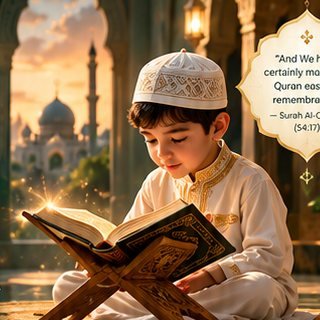
Islamic studies brings together the foundations every Muslim needs: what we believe, how we worship, the life of the Prophet ﷺ and the character and manners Islam encourages. Learnt well, this knowledge becomes part of daily life.
Whether you are looking for Islamic studies for kids or want to learn Islam online as an adult, we begin with the learner’s age, background and questions, and build a programme that is clear and meaningful.
Islamic knowledge stays with learners when it is structured, age-appropriate and connected to real life. These are the foundations of our lessons.
Understand the core beliefs of Islam, explained clearly and in an age-appropriate way.
Learn how to perform wudu, salah, fasting and other acts of worship correctly.
Explore the life of the Prophet ﷺ and the lessons it holds for today.
Build good character, kindness and Islamic manners at home and in the community.
Learn everyday duas and remembrance and how to make them part of daily routines.
A respectful space to ask questions and understand the reasons behind what we learn.
Learning needs are different at every age. Explore the pathway that best matches your family.
Engaging lessons that introduce children to Allah, the prophets, worship and good manners through stories and activities.
Help teenagers build a confident Muslim identity with deeper study and honest answers to their questions.
A flexible programme for adults who want to strengthen their knowledge of Islam around work and family life.
Open any section to learn more about how online Islamic studies classes can be shaped around your goals. Exact arrangements should be confirmed with the academy before enrolment.
A balanced programme covers the main areas of Islamic knowledge, adapted to the learner’s age and level.
Content, teaching style and discussion should reflect the learner’s age and maturity.
Lessons focus on the core beliefs and practices shared by Muslims, drawn from the Quran and Sunnah.
If you follow a particular madhab for fiqh questions, let us know so lessons can take this into account.
Many families combine Islamic studies with Quran reading, Tajweed or memorisation. Tell us your goals and we can discuss how the subjects can work together.
Progress in Islamic studies is about understanding and practice, not only memorising facts.
Before committing, confirm the details that matter to your household.
A simple starting process helps you understand what is suitable before making a commitment.
Tell us the learner’s age, background and aims.
Agree which areas to focus on first.
Choose a realistic pace and schedule.
Connect each lesson with daily life.
Build on understanding over time.
Learning about Islam should nurture love for Allah and confidence in being Muslim. We believe lessons should be accurate and well-structured while making room for questions, reflection and practical change.
Have a question that is not covered here? Send us a message and we can discuss your situation.
Children can begin with simple stories, duas and manners from a young age. Tell us your child’s age so we can suggest a suitable approach.
Yes. Adults can start with the foundations of belief and worship and build up gradually at a comfortable pace.
Yes. Learning wudu and salah step by step is an important part of Islamic studies for kids.
Yes. Lessons for teens aim to give honest, respectful answers and help them understand the reasons behind what they learn.
Lessons take place online, so you can join from the UK or elsewhere. Lesson times should be confirmed in your own time zone before enrolment.
Send us a message with the learner’s age, goals and preferred schedule so we can discuss the available options and fees.
Tell us about the learner, their goals and your schedule. We’ll help you explore the next step.